
The Most Underused Space in Most Apartments
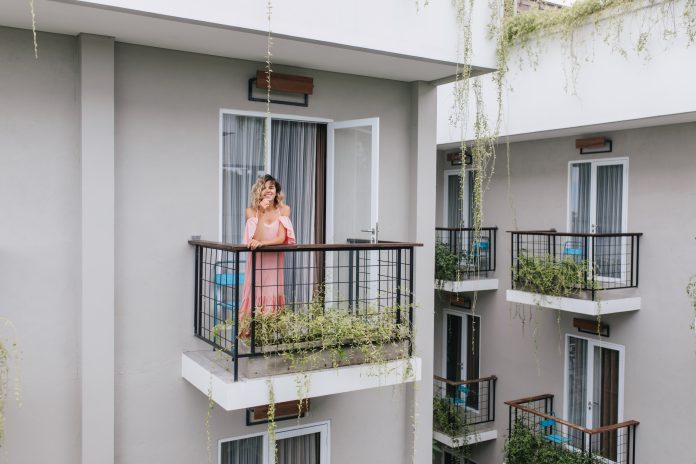
Apartment balconies are among the most consistently underused spaces in residential buildings. The typical trajectory: move in enthusiastic about having outdoor space, put one chair out there, let it weather, and stop using it within a few months. The balcony becomes storage for the bike, the dead potted plant, and the patio chair you sat in twice.
Transforming a balcony into a space you actually want to spend time in requires solving three problems that most people don’t address systematically: weather exposure, furniture scale, and the blank-wall problem. Solve all three and the space becomes usable; leave any one unsolved and you end up with the abandoned chair situation.
Weather Exposure: The Problem You Have to Solve First
A balcony that gets direct afternoon sun in summer, driving rain from one direction, or wind that makes it uncomfortable to sit becomes unused regardless of how beautifully it’s furnished. Before investing in furniture and plants, observe the balcony through different weather conditions and times of day over at least a week.
A shade sail provides sun protection without permanent installation — most can be attached with hook anchors that screw into existing concrete or railing (check your lease). A windbreak of dense potted plants or a freestanding bamboo screen reduces wind velocity significantly for small balconies. For rain exposure, a retractable awning or a large outdoor umbrella extends usable days substantially.
Furniture Scale: The Mistake That Makes Balconies Feel Smaller
Standard patio furniture — a four-person dining set with chairs — is sized for a garden or patio, not a 6-by-10-foot apartment balcony. Placing full-size furniture on a small balcony leaves no floor space, creates a crowded feeling that makes you less likely to spend time there, and typically violates building rules about items extending beyond the railing line.
Scale-appropriate alternatives: bistro tables (a 24-inch round table with two chairs takes up dramatically less space and seats two people comfortably), a small loveseat or two-seat bench along the back wall, or a fold-down wall-mounted table that collapses flat when not in use. Vertical planters on the railing replace ground-level pots and recover floor space.
The Blank Wall Problem and the Vertical Solution
Most apartment balconies have two or three blank concrete or stucco walls that make the space feel like a utility corridor. The instinct is to hang things — artwork, lights — but outdoor art degrades quickly in weather and most wall surfaces require anchors that damage deposits.
The vertical plant wall solves this problem elegantly. A modular planter system that hooks onto railing or hangs on wall-mounted rails (using adhesive hooks or tension systems that avoid drilling) creates a living wall that transforms the visual character of the space without permanent modification. Outdoor string lights with adhesive hook anchors define the ceiling plane and make the space usable after dark — which doubles the effective hours of use on good weather evenings.
What to Grow on a Balcony That You’ll Actually Get Value From
Balcony gardening works best when you grow things that either require frequent harvesting (encouraging regular visits to the balcony) or that provide strong sensory benefits — fragrance, visual color, or practical use. Herbs are the highest-value balcony crop: basil, mint, rosemary, chives, and parsley thrive in containers, require no special skill, and save meaningful money over the season in grocery bills.
For visual impact, a single large specimen plant — a big-leaf tropical like elephant ear, a tall ornamental grass, or a climbing jasmine trained on a trellis — creates more presence than a collection of small pots. One large container with a single striking plant plus a surrounding grouping of smaller herbs achieves both visual impact and practical value.